Why This Ruling
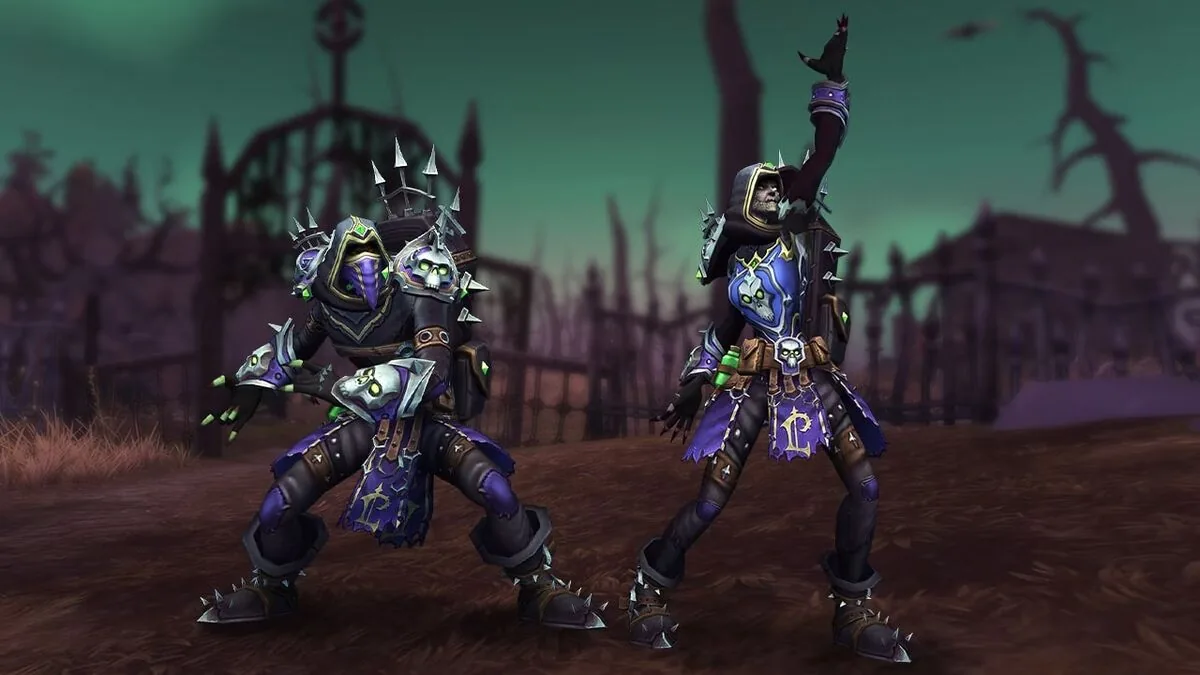
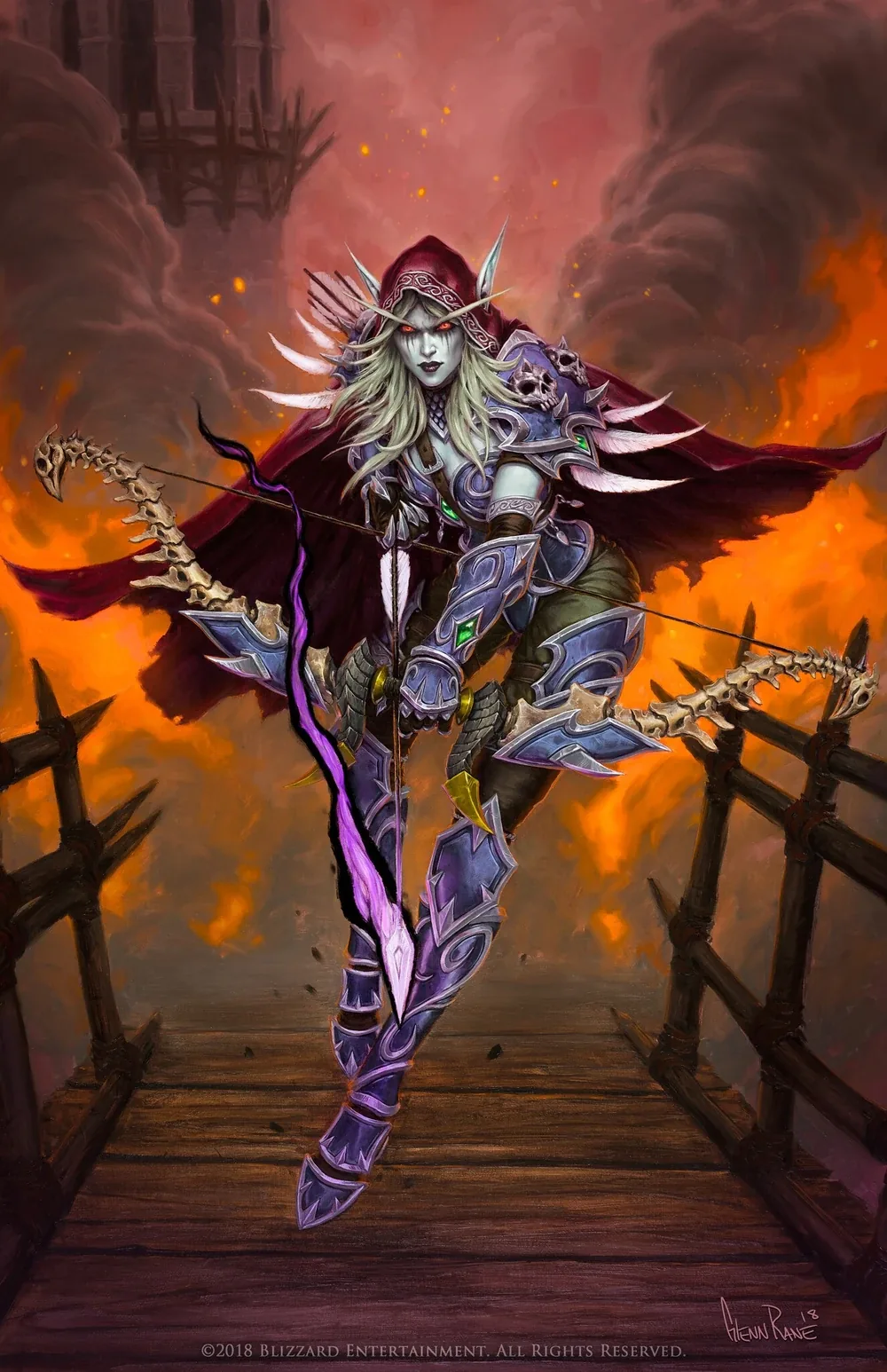
Every other system in this vault runs on the assumption that loss is real. The Forsaken are a people defined by having died. Start — Deathknell (Forsaken) opens with a character waking in a box. The Doom Clocks work because consequences stick.
A world with spirit healers on every hilltop has none of that. The moment dying is free, the Scourge stops being frightening.
What Death Costs
| Level | Realistic Recourse |
|---|---|
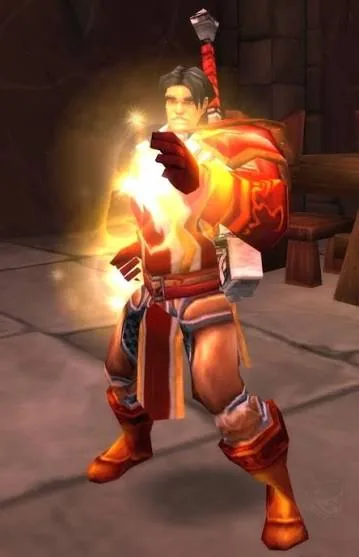
| 1–4 | Almost none. A cleric of the Order of the Silver Hand or a Cenarion Circle druid might be reachable, and will ask for something the party cannot casually give. |
| 5–8 | Revivify exists in the world but is held by named NPCs, not sold. Getting the body to one in time is an adventure. |
| 9–14 | Raise dead is obtainable in a capital. It costs money, a favour, and a debt — and the recipient carries a penalty for weeks of in-world time. Use a time skip. |
| 15+ | Available to those with standing. The question stops being can we and becomes what do we owe now, and to whom. |
The Light Does Not Fix Everything
A useful in-world constraint, and it is period-correct:
- The Light cannot restore what has been claimed. Anyone killed by the Scourge and raised by it is beyond ordinary resurrection.
- Fel damage scars. Death by demonic means complicates every attempt.
- Forsaken PCs are already dead. They do not benefit from resurrection magic at all; restoring a destroyed Forsaken is a different, darker, and entirely unsolved problem. Establish this at session zero with any Forsaken player.