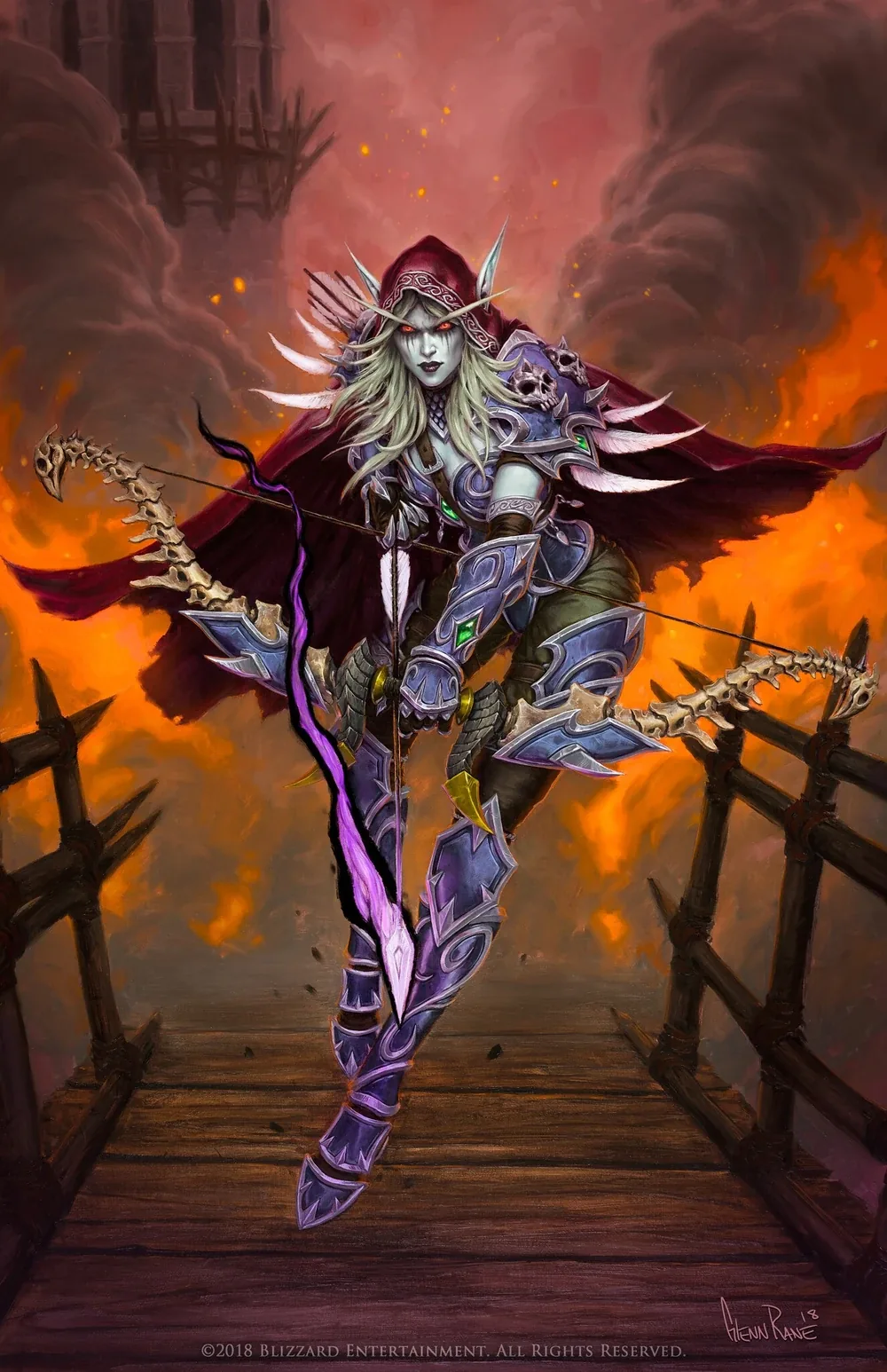
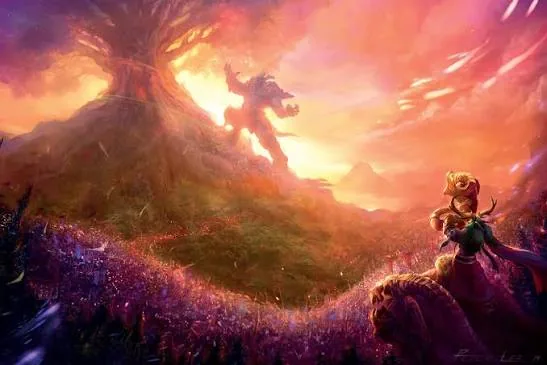
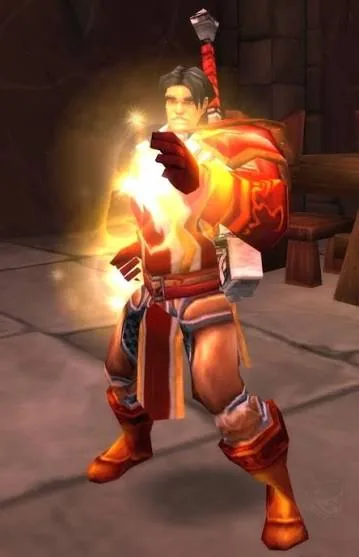
Playable: Yes · Faction: Horde · Homeland: Tirisfal Glades · Capital: Undercity · Leader: Banshee Queen Sylvanas Windrunner
Where They Stand
When Arthas's power over the Scourge weakened after The Third War, Sylvanas Windrunner — the ranger-general he had murdered and raised as a banshee — seized her own free will and took a large portion of the undead with her.
They call themselves the Forsaken: not Scourge, not alive, not anyone's.
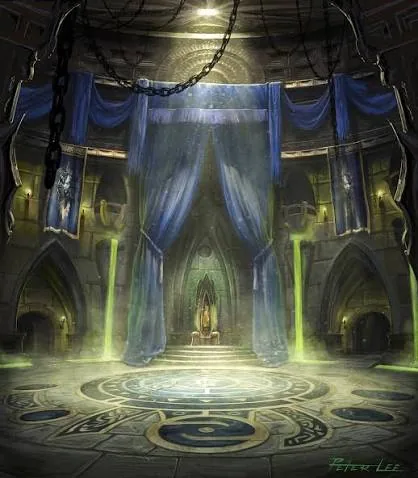
They hold Tirisfal Glades and built Undercity in the catacombs beneath the ruins of Lordaeron's Capital City — directly under the throne room where Arthas killed his father.
How They Got Here
They were alive. Almost every Forsaken was a citizen of Lordaeron — farmers, soldiers, clergy, apothecaries. A handful were high elves of Quel'Thalas. Sylvanas was its ranger-general.
The plague took them. Grain, distributed through the northern villages, that killed you and then stood you back up. Most Forsaken died in their own homes, in their own beds, surrounded by their own families, and then got up and killed them.
They served. For a period nobody likes to specify, they were Scourge — aware, in some cases, and unable to stop. This is the part no Forsaken discusses.
Then the grip loosened. After The Third War, as Arthas's power waned, Sylvanas broke free and pulled thousands with her.
Then they had to decide what they were. They took the name Forsaken, took the ruins of their own kingdom, and went looking for allies — because a nation of walking corpses surrounded by enemies does not survive alone. Thrall took them in over the tauren's objection, and they have been the Horde's most awkward member ever since.
Who Leads Them
Banshee Queen Sylvanas Windrunner — absolute, unelected, and unchallenged. There is no council, no assembly, and no succession plan. What Sylvanas decides is what happens.
Under her:
- The Deathstalkers — intelligence and assassination, and the largest single branch of the Forsaken state
- The Dark Rangers — elven women raised as she was, personally loyal to her rather than to the Forsaken
- The apothecaries — chemists and alchemists, a visible and respectable branch of the Forsaken state.
Where They Fit
Badly, and everyone knows it.
- Hated by the Alliance, who see them as Scourge with better manners and are not entirely wrong
- Tolerated by the Horde — Thrall accepted them out of pragmatism. Cairne Bloodhoof objected and was overruled. The tauren still object.
- At war with the Scourge, permanently and existentially
- At war with the Scarlet Crusade, who consider them the enemy — which is also not entirely wrong
The Horde is a flag of convenience. The Forsaken joined for military cover and access, contribute intelligence and alchemy, and would leave the moment the arithmetic changed. Both parties understand this.
What They Are
The Forsaken do not eat, sleep, breathe, or age. They rot slowly and can be repaired. Their bodies are wrong and they know it. Some remember their living families and cannot approach them. Some are trying very hard to remain the person they were. Some have stopped trying.
The Light burns them. Not metaphorically — healing magic that mends a living body damages an undead one, and the faith most of them were raised in is now physically hostile. Forsaken who still pray do it knowing that.
What They Just Survived
- Dying, and the specifics of it, which most of them remember
- Being Scourge, which is worse
- The war for Tirisfal Glades against both the Scourge and the Scarlet Crusade
What They Are Fighting Now
| Where | Who | Why |
|---|---|---|
| Western Plaguelands, Eastern Plaguelands | Scourge | Existential. Losing means going back, and going back is the only real fear they have. |
| Tirisfal Glades | Scarlet Crusade | Fanatics who kill undead on sight and increasingly kill the living too |
| Silverpine Forest, Hillsbrad Foothills | Alliance, worgen, Dalaran remnants | A slow southward push toward Southshore that nobody has formally declared |
| Everywhere | Their own reputation | Every Forsaken diplomat starts the conversation twenty points down |
What They Want
Sylvanas wants Arthas dead. Everything else is instrumental to that, including the Horde, including the Apothecaries, including the Forsaken themselves. She has never pretended otherwise.
The Forsaken want to be permanent. They do not reproduce. Every Forsaken is a survivor of a specific catastrophe, and when they are gone there will be no more. A nation with no future tense makes decisions differently.
Individuals want smaller things — to see a daughter from a distance, to finish a piece of work, to find out who they were before the plague took the memory. These are the ones worth playing.
Character Traits
- Grim, dry, unsentimental humour — it is the only functional coping mechanism
- Free will is sacred — nothing terrifies a Forsaken like the idea of being controlled again
- Pragmatic to the point of atrocity — they have nothing left to lose and it shows
- Not evil, and not good — the Forsaken are the campaign's best moral grey zone
How They Talk
Dry, clipped, and darkly funny. Forsaken humour is a load-bearing structure. They keep Lordaeron's courtesies and use them sardonically, because the alternative is having no manners at all.
| Phrase | When |
|---|---|
| "The Dark Lady watches over you." | The standard blessing. Deliberately parallels Light be with you, and the parallel is the point. |
| "Still standing." | A greeting and its own answer. How are you? — Still standing. |
| "Death be with you." | Said to Alliance prisoners. Not a threat exactly. |
| "I was somebody." | Bitter, common, and said in taverns. Sometimes followed by a name and sometimes not. |
| "Rot in peace." | A genuine farewell to the destroyed. There is no Forsaken word for a good death. |
| "Before." | Life. "Before, I was a baker." Never says when I was alive. |
| "Ask the Apothecaries." | Do not ask me. Nobody says this cheerfully. |
What They Make of the Others
Humans — We were them. That is not sentiment, it is a fact of biography, and it is precisely why they cannot look at us. A Forsaken watching a Southshore farmer is watching a life that was on offer.
Dwarves — They would put us down on principle and sleep soundly. There is a cold respect in that — at least they are honest about it.
Night Elves — They find us an offence against the natural order and they are not wrong. The Forsaken have simply concluded that the natural order had its chance.
Gnomes — They look at us the way an engineer looks at a bridge that should have fallen. One of them will ask a question one day and get a very short answer.
Orcs — They took us in when there was nowhere else, and they did it knowing exactly what we are. That is not friendship. It is the only thing anyone has ever done for us.
Tauren — Cairne argued against us to Thrall's face and lost, and he has never pretended otherwise since. The Forsaken respect him more than they respect most of their allies.
Darkspear Trolls — They do not stare. In four years of the Horde, that is the single kindest thing anyone has done.
Playing One
A Forsaken PC can play the horror straight, and the campaign is better if they do. This is the character who has to decide, on screen, whether the person they used to be is worth preserving.
Four shapes worth taking:
- The one with a family — somebody in Southshore or Hillsbrad Foothills thinks you are dead and buried. You know exactly which house. You have stood outside it.
- The one still holding on — you keep your old trade, your old manners, your old name. Other Forsaken find this either admirable or pathetic and will tell you which.
- The one who let go — you have decided the person who died is a stranger, and you are free in a way the others are not. This is not villainy. It is a real answer.
- The one with a gap — you do not remember who you were. Somebody does, and they are alive.
Questions worth answering at session zero: What did you do before? Do you remember dying? Is there anyone alive who would recognise your face — and do you want them to?