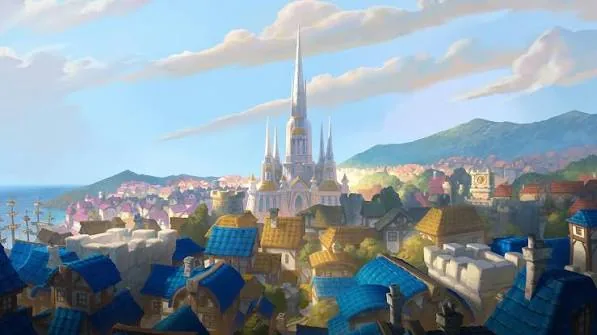
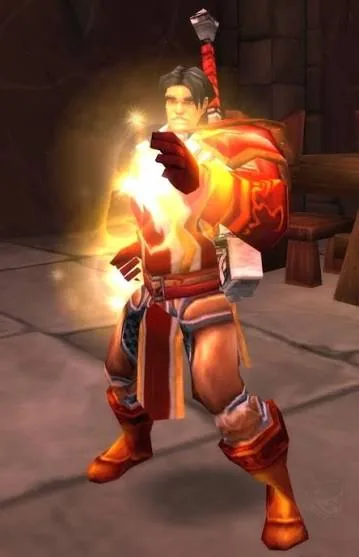
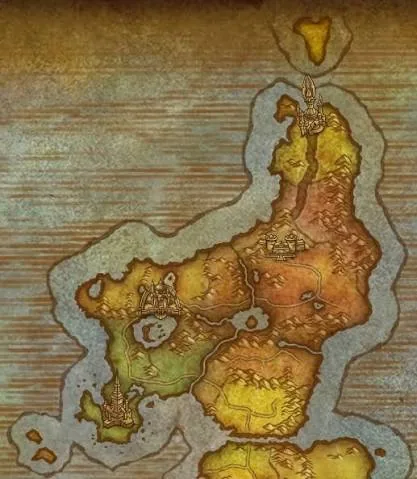
Playable: Yes · Faction: Alliance · Homeland: Elwynn Forest · Capital: Stormwind City · Leader: King Anduin Wrynn (child), Bolvar Fordragon as regent
Where They Stand
The human kingdoms of Arathor fragmented eleven centuries ago into seven states, and the last thirty years have been an unbroken run of catastrophe. Stormwind fell to the orcs and was rebuilt. Lordaeron was destroyed by its own crown prince. Alterac was dissolved for treason. Dalaran is a crater. Gilneas has sealed itself behind the Greymane Wall and stopped answering letters. Stromgarde is a contested ruin. Kul Tiras has withdrawn in fury since Admiral Proudmoore's death.
What remains is Stormwind — ruled by a ten-year-old boy, a regent doing his honest best, and a black dragon.
How They Got Here
They were one kingdom. Arathor united the human tribes, won The Troll Wars alongside the high elves, and then did what every human polity does eventually — split into seven pieces over succession, trade, and pride.
Then the Portal opened. The First War cost them Stormwind entirely. Refugees crossed the sea to Lordaeron and were taken in, which bought a great deal of goodwill and a debt nobody has finished paying.
The Second War was their finest hour. Seven kingdoms, the dwarves, the high elves, and the newly-founded Order of the Silver Hand broke the Horde. Humans led it. They have not stopped mentioning it.
Then the rebuilding of Stormwind went wrong. The Stonemasons' Guild rebuilt the city and the nobles refused to pay. The guild rioted, the queen died in the riot, and the survivors became the Defias Brotherhood. Every problem in Westfall traces to that unpaid bill.
Then the plague. Arthas Menethil killed his father and handed Lordaeron to the dead. Every human alive lost someone or knows someone who did.
Who Leads Them
On paper: King Anduin Wrynn, aged ten.
In practice: Bolvar Fordragon, Regent Lord — a genuinely decent paladin and soldier who is holding a kingdom together with no money and no mandate, and who is out of his depth in the council chamber.
Underneath that: the noble houses, who control the money and are not being taxed effectively, and the Church of the Holy Light, which has more moral authority than the crown and knows it.
Human politics is a scrum of institutions — guilds, orders, houses, and churches, all with charters, all citing them.
Where They Fit
Humans are the Alliance's connective tissue. They are individually the weakest of the four peoples — no darkvision, no ten-thousand-year memory, no stonework, no clockwork — and they compensate by being the ones everybody talks through.
The Stormwind court hosts the diplomacy. Human is the trade language. When dwarves and night elves have a problem with each other, a human writes the letter.
What They Just Survived
- The Third War — the northern kingdom destroyed, the Silver Hand shattered, hundreds of thousands dead or worse
- The Scourge, which is still in the Plaguelands and has not gone anywhere
- The Defias uprising, which is less "survived" and more "ongoing"
What They Are Fighting Now
| Where | Who | Why |
|---|---|---|
| Westfall | Defias Brotherhood | An unpaid debt that turned into an insurgency. The province is effectively lost. |
| Redridge Mountains, Burning Steppes | Blackrock orcs | Rend Blackhand's Dark Horde never accepted the peace and is pushing east |
| Duskwood | The dead, and worse | Something is wrong in that forest and nobody has the manpower to find out what |
| Alterac Mountains | Syndicate | Dispossessed Alterac nobles turned bandit |
| Hillsbrad Foothills | Forsaken | A slow, ugly border war that nobody has declared |
What They Want
Stormwind wants to stop bleeding. Pay the army, hold the provinces, get through the winter. That is genuinely the whole agenda and it is not being achieved.
The refugees want Lordaeron back, which is not possible, and some of them have not accepted that. The Scarlet Crusade is what happens to that grief when it curdles.
The Church wants a Highlord, or at least an answer to what happened to Arthas. The Order of the Silver Hand has not replaced Uther and cannot agree on what it now stands for.
The nobles want their rents.
Character Traits
- Adaptable — the only species with mages, paladins, priests, warriors, warlocks, and rogues
- Short memory, long grudges — three generations is ancient history, but the Defias debt is unforgiven
- Institutional — humans build guilds, orders, churches, and bureaucracies compulsively
- Diplomatic by necessity — they are the weakest individually and know it
How They Talk
Plain, formal in public, and full of Light-language even from people who do not attend services.
| Phrase | When |
|---|---|
| "Light be with you." | Greeting, farewell, and reflex. Said to strangers and enemies alike. |
| "By the Light—" | Surprise, exasperation, mild swearing |
| "For Stormwind!" | Battle cry. Increasingly said with something to prove. |
| "Nine copper a day." | A soldier's grumble. The army's pay, and shorthand for being taken for granted. |
| "That's a Lordaeron problem." | Once meant someone else's problem. Now it lands like a slap, and people still say it without thinking. |
| "Long live the king." | Correct, required, and awkward. He is ten. |
| "Ashes to Andorhal." | Newer, grimmer. Said of anything past saving. |
What They Make of the Others
Dwarves — The warmest thing the Alliance has. Two generations of shared trenches, and a debt to Ironforge that Stormwind's treasury will not be settling soon. Humans find dwarves restful — they say what they mean and they buy their round.
Gnomes — Fond bewilderment. Nobody quite follows what a gnome is explaining, and everybody wants them nearby when something breaks. The tendency to treat a catastrophe as an interesting result unsettles people who lost a house to one.
Night Elves — Awe, and a persistent sense of being judged. They are older than the kingdom, they gave up more than anyone to win the last war, and they clearly find humans exhausting. Four years in, most humans still have not spoken to one.
Orcs — The wound. They burned Stormwind, and there are men alive who carried children out of it. The official position is that the Horde has changed; the position in the taverns is that a generation of atrocity does not wash out because a warchief says so.
Forsaken — Horror, and it is specific. These were Lordaeron — neighbours, congregations, families. A human meeting a Forsaken is not meeting a monster, they are meeting somebody who might know their mother's name, and that is worse.
Tauren — Almost no contact. What filters back through Theramore says patient, honest, and slow to anger, which is inconvenient for anyone who needs the Horde to be simple.
Darkspear Trolls — Trolls sacked Arathor's borders for two centuries and human histories have not forgiven it. That the Darkspear had nothing to do with any of that is a distinction few people make and fewer care about.
Playing One
The default outsider's-eye view of Azeroth — the species that has to have things explained to it, which makes it the easiest entry point for a player learning the setting.
Five different characters, five different campaigns:
- Stormwind loyalist — army, guard, or church. You have a chain of command and it is failing you.
- Lordaeron refugee — you had a life and a country and now you have neither. Where you put that grief is the character. The Scarlet Crusade is recruiting, and you know it.
- Westfall local — you grew up with the people who became Defias. You are one bad winter from being one of them, and you know their names.
- Kul Tiran sailor — your admiral died at Theramore and your nation blames Jaina Proudmoore for it. You may or may not agree.
- Alterac exile — your kingdom was dissolved for treason before you were born and you have been living it down ever since.
Questions worth answering at session zero: Who did you lose in the plague? Do you attend services, and does the Light answer you? Are you being paid, and by whom?